The library had a librarian. The internet had domains and citations. AI has neither, and the detective work just got a lot harder.
Sixty-seven percent of students now say heavy AI use is hurting their critical thinking. That’s up more than ten points from just ten months earlier, according to a RAND survey of the American Youth Panel published in March. The students noticed the shift before most of the adults writing about it did.
Meanwhile, teachers are producing an enormous amount of AI-assisted material of our own. Rubrics, lesson plans, discussion questions, and entire units get generated in minutes and shared by the thousand in Facebook groups and Teachers Pay Teachers stores. Some of it is good. A lot of it is a plausible-sounding first draft that nobody ever piloted with real students, dressed up to look finished.
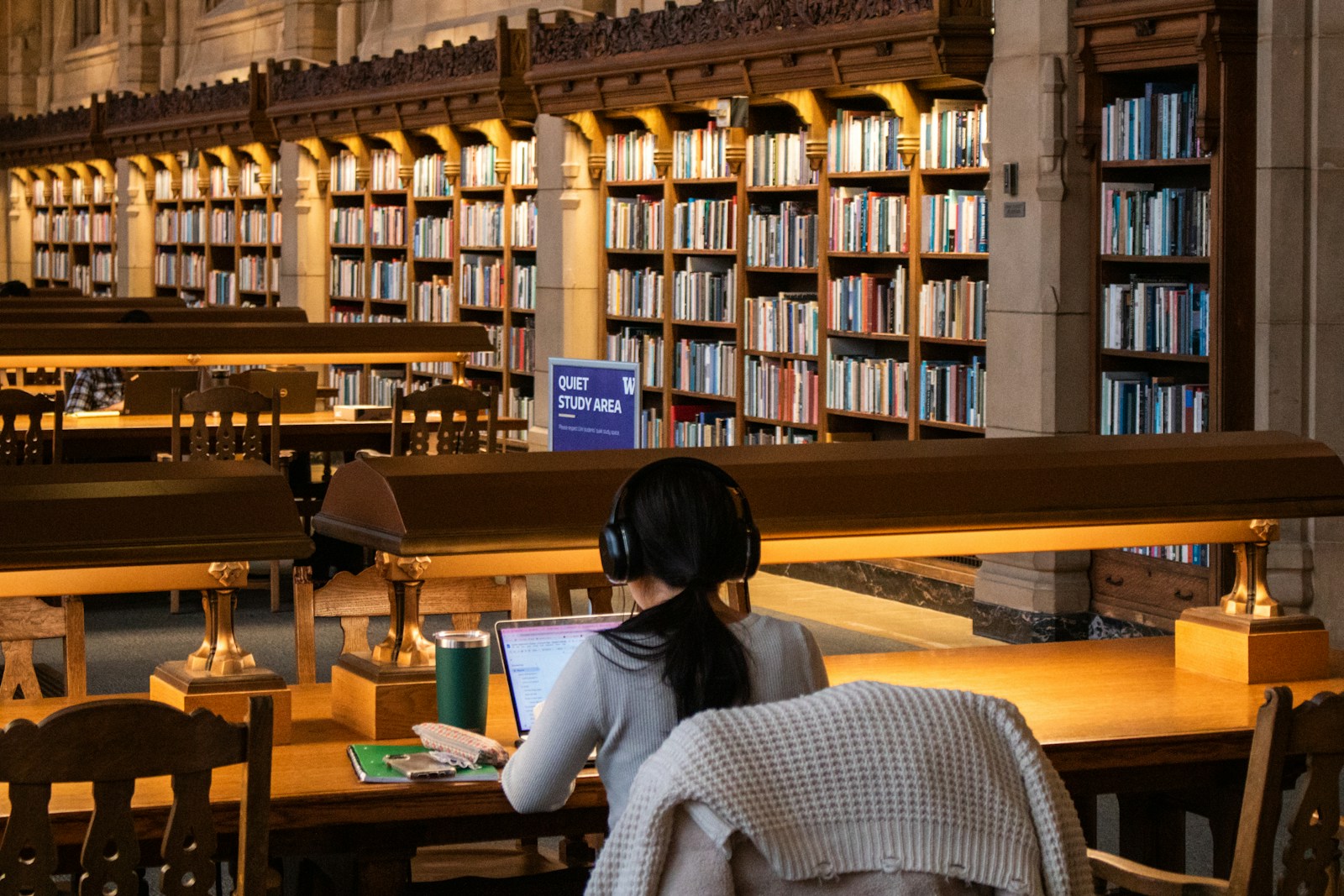
I grew up with the library as the source. If I wanted a real answer, I went to a building with a person in it whose job was knowing which encyclopedia was garbage and which section held something true. You never saw that labor. It was there anyway, filtering before the book ever reached your hands.
The internet took the librarian away but kept some of the structure. Domains meant something. Citations were still citations, even bad ones you could check. Wikipedia had editors fighting in public over sourcing, which is annoying but at least visible. If you wanted to verify something, there was a trail to follow.
AI strips out the trail entirely. Ask a chatbot a question and you get a fluent paragraph with no author, no domain, no edit history, nothing to click. The synthesis arrives with the sourcing already removed. There’s nothing left to check the work against unless you go looking for it yourself, and most people don’t, because the paragraph already sounds like it knows what it’s talking about.
That worries me more than the volume of AI slop itself. Volume isn’t new. Bad lesson plans existed before ChatGPT. What’s new is that the good material and the bad material now arrive wearing the same clothes. A rubric with real classroom testing behind it and a rubric generated in ninety seconds by someone who’s never taught a day read exactly the same on the page. The old signals of quality were credentials, citations, institutional backing. None of them map cleanly onto AI-generated confidence.
Students are living this same problem, just louder. Fortune reported this month that 84 percent of students already use AI for homework, and only three in ten schools have any policy governing it. That’s not a gap in enforcement. That’s a generation doing detective work on their own, without training, at a moment when the tools for figuring out who wrote something and why have quietly disappeared from the interface.
The old media literacy question was who published this and what’s their angle. That question still matters, but it assumes a publisher exists. AI answers don’t have one. So the real question now is different: what did this synthesize, and can I find the actual thing underneath it. Nobody was teaching that skill two years ago because nobody needed it two years ago.
I don’t think the answer is telling teachers to curate more carefully or telling students to be more skeptical. Everyone already knows they’re supposed to check their sources. The problem isn’t attitude. It’s that the infrastructure that used to do half the filtering for us is gone: the librarian, the domain, the citation trail. Nothing has replaced it.
Until something does, telling signal from noise falls on the person holding the device, and most of them were never taught how to do it, including plenty of us who are supposed to be teaching it.
If you’re thinking through questions like this one, how AI-generated material is changing what students and teachers can trust, my book goes deeper. The AI Doesn’t Know Your Students is available on Amazon and at shouldiuse.ai/book.
David Jacobson is a high school history teacher. He writes about AI, education, and the messy intersection of the two at shouldiuse.ai.